
“Energy” is the best-selling word on the shelf for men. Drinks, gummies, powders and patches all make one promise, while the official advice behind them is strikingly simple. Most tiredness in men traces back to sleep, the timing of caffeine, lack of movement and dehydration, and a sachet fixes none of those. This guide sets the figures beside the products and then points out which samples are worth a try. This article is general information, not medical advice.
Lasting tiredness can also have medical causes, among them low B12, thyroid problems, sleep apnea and depression. Suppose the habits below change nothing within a few weeks. In that case, go for a checkup next, which is usually covered.
- The sleep and activity numbers from the CDC
- The FDA’s caffeine limit and how to use it
- Why B12 does not add energy unless you are low
- Electrolyte and protein samples that are actually free
Four Habits Before Any Product
1. Sleep: Seven Hours Is the Floor
The CDC’s sleep guidance sets seven or more hours nightly for adults 18 to 60, seven to nine hours for ages 61 to 64, and seven to eight for those 65 and over. A lack of sleep is the most common single reason a healthy man feels wiped out, and no supplement makes up for it. Wake at the same time every day, weekends too, and put screens away for the final half hour.
2. Caffeine: Up to 400 Milligrams, Early
The FDA’s caffeine page names 400 milligrams daily, about two or three 12-ounce coffees, as a level that is not generally tied to bad effects in most adults, though sensitivity varies widely. Seldom is the total the trouble. The trouble is when you drink it. Caffeine after midafternoon cuts sleep short, and that creates the tiredness the next cup is supposed to fix. Energy drinks and shots also add to that 400.
3. Movement: 150 Minutes a Week
For adults, the CDC’s activity guideline is 150 minutes of moderate activity each week and muscle-strengthening on two days. A brisk walk counts. Men who begin to move typically say they feel more energetic inside two weeks, well before a scale shows any change in fitness.
4. Water and Food Timing
A mild lack of fluid or a skipped breakfast can feel just like fatigue. Drink a glass of water when you wake and eat a morning meal that includes protein. Those two steps rule out the cheapest causes first, ahead of anything in a bottle.
What the Vitamin Labels Will Not Tell You
Nearly all energy products contain vitamin B12. The NIH B12 fact sheet notes that makers promote it for energy, endurance and athletic use, yet it does not provide those benefits to anyone already getting enough through food. It matters for people who are truly low: adults past 50, people taking acid-reducing medicines or metformin, and people eating a vegan diet. A blood test gives the answer, and the men’s vitamins guide deals with the rest of the shelf.
Iron is the other nutrient tied to energy, and men should not take it without a test, because iron overload is a real condition that affects men more often than women. A routine blood panel reveals low iron, and a preventive visit produces exactly that kind of result.
Samples Worth Trying
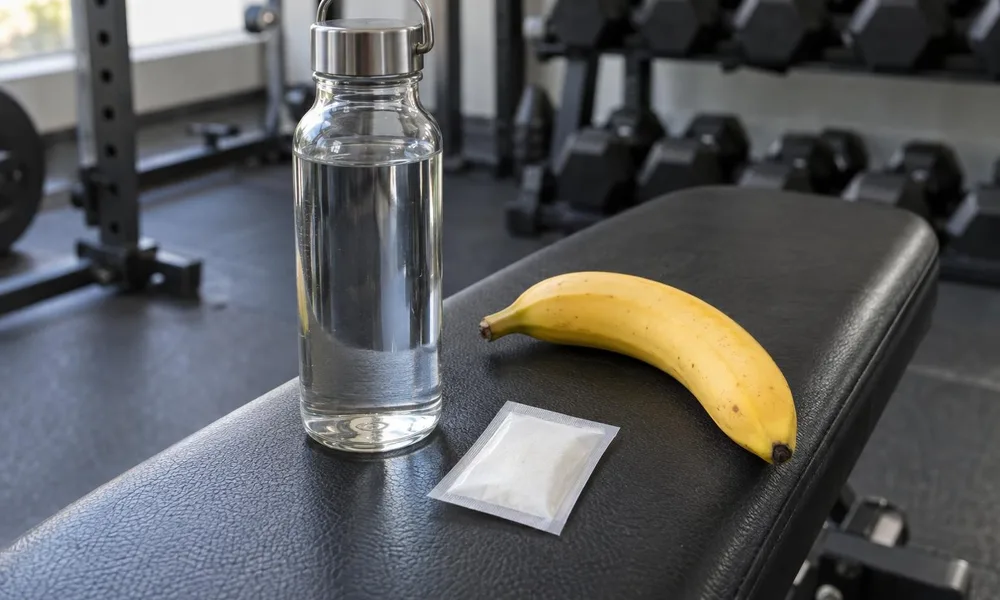
Two kinds of product get sampled all the time, and both are harmless to try. Electrolyte sachets help if you sweat heavily or exercise in the heat, and do nothing otherwise. Protein powder single-serve packs make sense if breakfast is just coffee. Both appear through review panels, sample apps and events at races and gyms, and the app list names the panels. Sports brands also mail trial packs to pharmacy loyalty members, as the pharmacy guide describes.
- Look at the caffeine on an energy sachet, since many hold 100 to 200 milligrams, and that counts toward the daily 400.
- Pass on “proprietary blends” that list no amounts, because you cannot tell what you are taking.
- Think of a sample as a taste test and not a test of results. A single sachet proves nothing in either direction.
- A sample that asks for a card is a subscription, and a genuine one never does.
When Tiredness Needs a Doctor
Tiredness that goes on for more than a few weeks despite sleep, tiredness with a change in weight, snoring along with daytime drowsiness, a low mood or breathing trouble are all reasons to book a visit and not to buy a product. The preventive list on HealthCare.gov includes depression screening, screening for type 2 diabetes in overweight adults aged 40 to 70, and blood pressure checks. All cost nothing with an in-network provider, and the labs that help explain tiredness are often ordered at that same visit.
Paying for the Visit and the Products
Marketplace and employer plans cover a preventive visit at no cost, while a follow-up about a particular complaint usually carries a copay. Without a plan, the Marketplace opens every November, and community health centers charge by income. Protein and electrolyte products count as food and not medicine, so a Health Savings Account will not pay for them. IRS Publication 969 lists what it will pay for. This is general information, not financial advice.
Energy Fixes at a Glance
| Fix | The number | Source |
|---|---|---|
| Sleep | 7 or more hours, ages 18 to 60 | CDC |
| Caffeine | Up to 400 mg a day, none after mid-afternoon | FDA |
| Movement | 150 minutes a week plus 2 strength days | CDC |
| Vitamin B12 | Helps only if you are low | NIH |
| Electrolytes | Useful with heavy sweating; free samples common | Sample programs |
Frequently Asked Questions
Do energy drinks work?
They supply caffeine, which does its work for a few hours. That amount adds to the FDA’s 400 milligrams, and a drink late in the day cuts into sleep, the very thing you were missing.
Which vitamin gives energy?
According to the NIH, none, for a man whose levels are normal. B12 and iron help only if lab work shows you are low.
Are electrolyte samples worth it?
They cost nothing and do no harm, and they help if you sweat heavily. When you sit at a desk all day, plain water does that job just as well.
When is tiredness serious?
It is serious when it lasts for weeks despite sleep, or comes with weight change, snoring, a low mood or trouble breathing. Any of those is a reason to book a visit, often covered as preventive care.